At Illuminated Learning, support begins with understanding how each student learns.
We look beneath the surface — beyond marks, frustration, avoidance, or “I’m just bad at this” — to understand each learner’s unique profile, strengths, and challenges. From there, we create a structured, individualized path using intensive remediation, research-based strategies, and steady one-on-one support.
Illuminated Learning is a little different than your local public or private school, tutor, or enrichment centre. We don’t implement a curriculum, we don’t stick to assigned homework, and we don’t place students on a predetermined path. Instead, we use effective, research-validated reading intervention based on the science of reading. We teach scientifically backed strategies for processing information and managing stress – helping people become more independent. We apply our expertise in learning, and learning difficulties for children as young as 5, teenagers, and adults of all ages.

A person may benefit from tutoring when they need additional support with a particular area of the curriculum. For example, a student may understand most of the foundational skills, but need extra help understanding a specific math concept, completing an assignment, organizing their ideas for a writing task, or preparing for an upcoming test.
Tutoring typically focuses on helping the learner succeed with current curricular demands.
Remediation, on the other hand, may be more appropriate when a learner has significant or persistent gaps in foundational knowledge and skills that make it difficult to access or keep up with grade-level instruction. These gaps may occur in areas such as reading, written language, mathematics, attention, or other foundational learning skills. In these situations, simply providing additional help with current schoolwork may not address the underlying difficulty.
Remediation is designed to identify and directly address the underlying processing skills that are not yet well established.
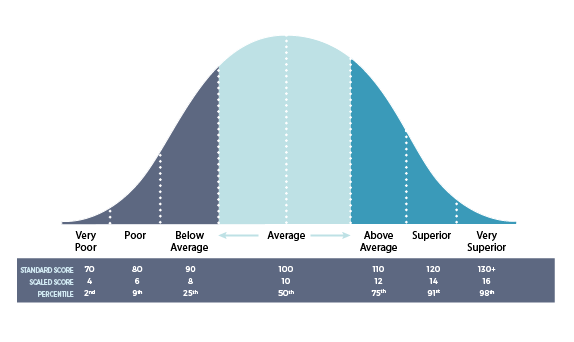
Remediation is typically more intensive, systematic, and individualized, with the goal of strengthening foundational skills needed for long-term academic success
In short, tutoring supports current curricular learning, while remediation addresses underlying processing skill gaps that may be preventing a learner from progressing effectively.
We guide students through a specialized, structured program – helping them reach their full academic potential. Our programs teach students how to learn in a way that meets their needs —and, because these needs extend beyond the academic setting, we provide mindfulness and meditative techniques, as well as executive functioning support.
We believe meeting students where they are at, and identifying their unique learning needs and style of learning, are key to helping bridge the gap between current performance and individual potential.




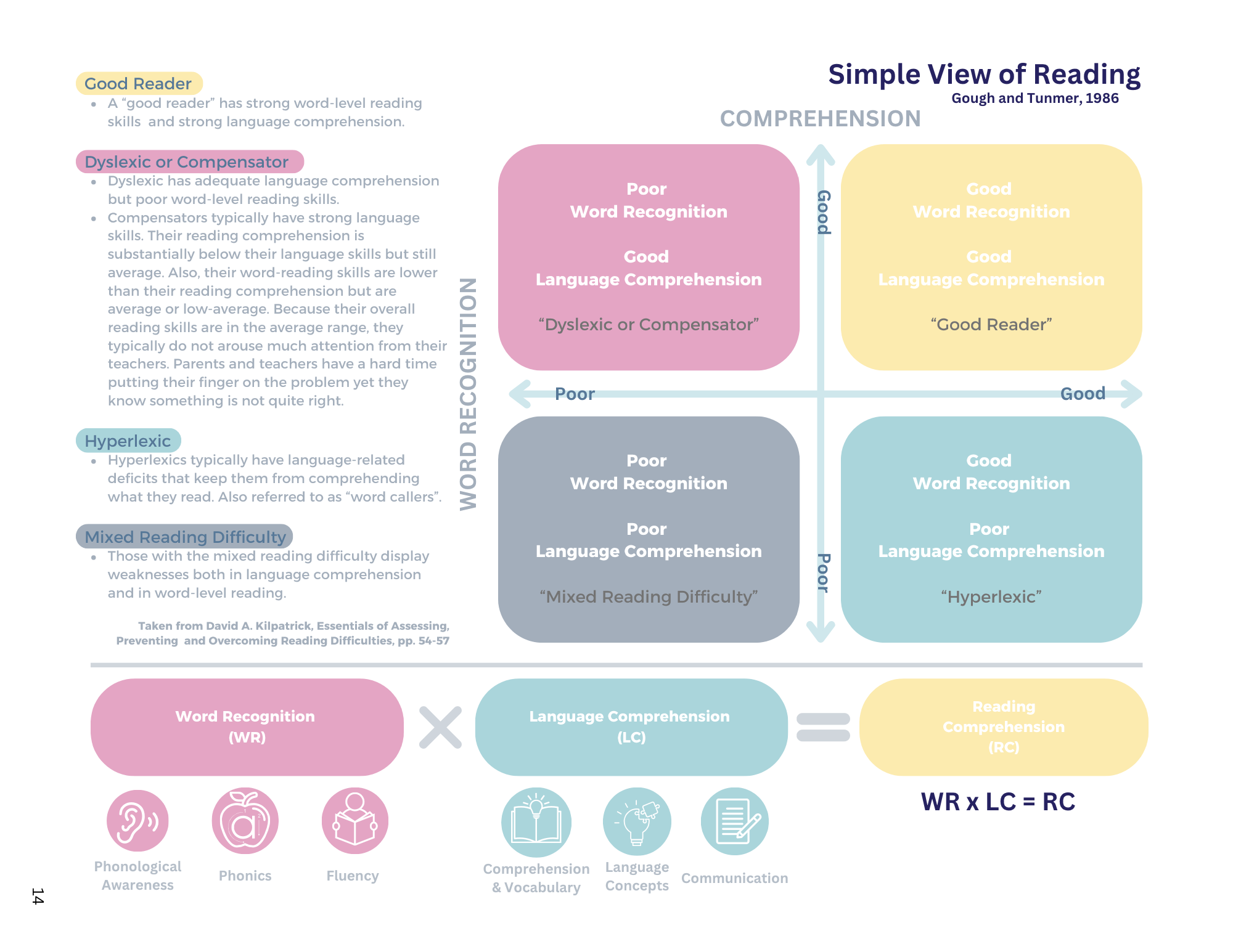
At Illuminated Learning we work with individuals who may, or may not, have been diagnosed with a Specific Learning Disorder. Canadian Psychologists use the Diagnostic and Statistical Manual for Mental Disorders (DSM-V) criteria to diagnose a Specific Learning Disorder (SLD), previously referred to as “Learning Disabilities”. The DSM-V now recognizes that learning disabilities manifest differently in each individual and as such will give the diagnosis of an SLD and also specify the area in which an individual has an impairment(s):
At Illuminated Learning we work with individuals who may, or may not, have been diagnosed with a Specific Learning Disorder. Canadian Psychologists use the Diagnostic and Statistical Manual for Mental Disorders (DSM-V) criteria to diagnose a Specific Learning Disorder (SLD), previously referred to as “Learning Disabilities”. The DSM-V now recognizes that learning disabilities manifest differently in each individual and as such will give the diagnosis of an SLD and also specify the area in which an individual has an impairment(s):