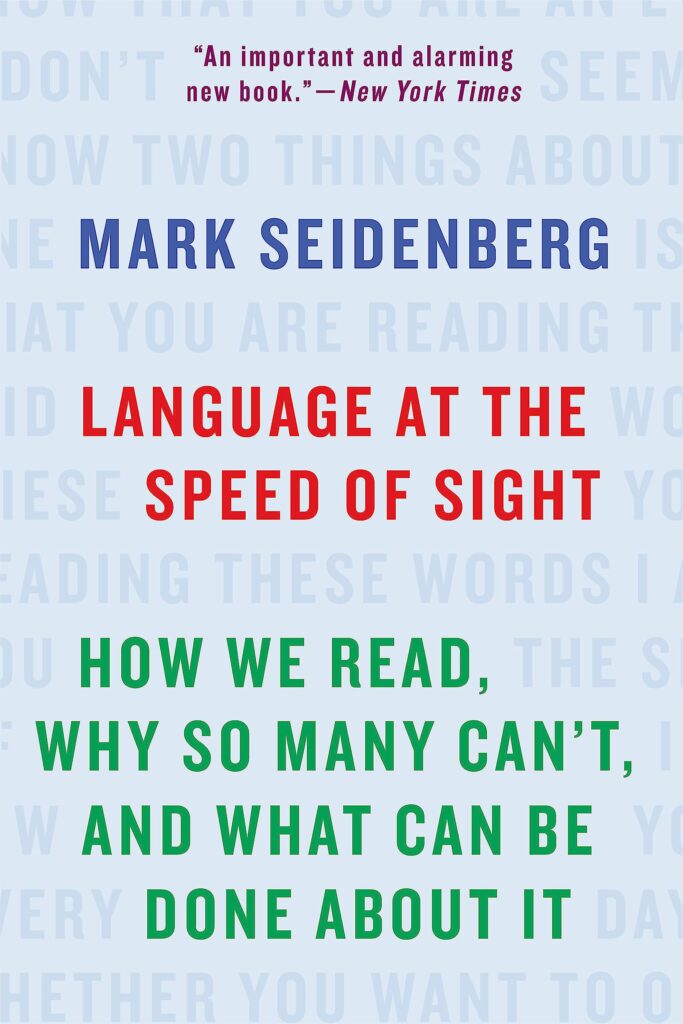
In this "important, alarming" (New York Times) book, see why so many American students are falling behind in their reading skills while others around the world excel.
The way we teach reading is not working, and it cannot continue. We have largely abandoned phonics-based reading instruction, despite research that supports its importance for word recognition. Rather than treating Black English as a valid dialect and recognizing that speaking one dialect can impact the ability to learn to read in another, teachers simply dismiss it as "incorrect English." And while we press children to develop large vocabularies because we think being a good reader means knowing more words, studies have found that a large vocabulary is only an indication of better pattern recognition. Understanding the science of reading is more important than ever--for us, and for our children. Seidenberg helps us do so by drawing on cutting-edge research in machine learning, linguistics, and early childhood development. Language at the Speed of Sight offers an erudite and scathing examination of this most human of activities, and concrete proposals for how our society can produce better readers.
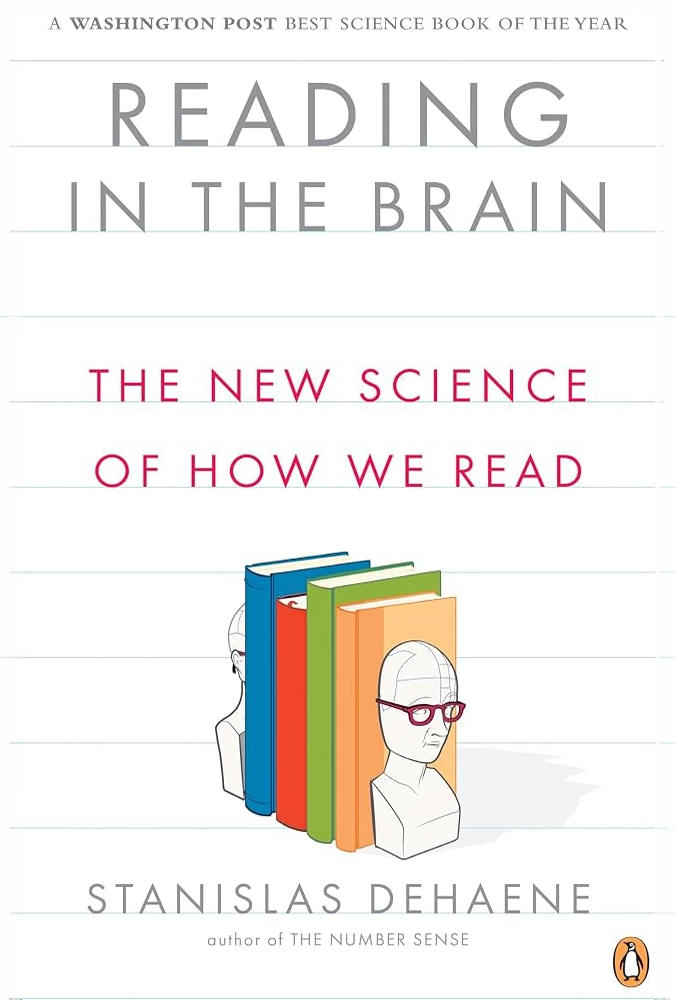
Reading in the Brain
Stanislas Dehaene
"Brings together the cognitive, the cultural, and the neurological in an elegant, compelling narrative. A revelatory work."--Oliver Sacks, M.D.
The act of reading is so easily taken for granted that we forget what an astounding feat it is. How can a few black marks on white paper evoke an entire universe of meanings? It's even more amazing when we consider that we read using a primate brain that evolved to serve an entirely different purpose. In this riveting investigation, Stanislas Dehaene, author of How We Learn, explores every aspect of this human invention, from its origins to its neural underpinnings. A world authority on the subject, Dehaene reveals the hidden logic of spelling, describes pioneering research on hiw we process languages, and takes us into a new appreciation of the brain and its wondrous capacity to adapt.
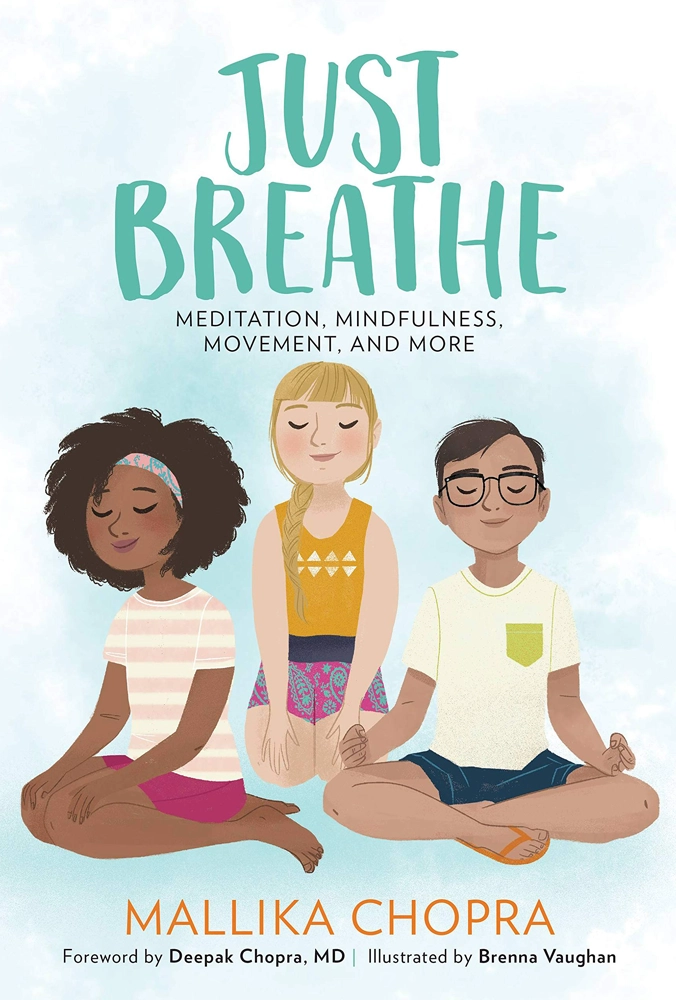
Just Breathe
Maillika Chopra
For kids ages 8 to 12, this is an accessible and fun meditation and mindfulness how-to book filled with full-color illustrations, written by Mallika Chopra and with a foreword by Deepak Chopra.
Just Breathe is a fun and accessible, fully illustrated go-to meditation guide written by none other than Mallika Chopra, wellness expert and the daughter of Deepak Chopra. For kids ages 8 to 12, this book is full of specific exercises to help deal with day-to-day challenges and tips to lead a healthier, happier, and more connected life. The book includes practical advice on breathing techniques and guided meditations for a number of topics and scenarios, including:
Dealing with stress
Getting to sleep
Building self-confidence
Focusing on school/tests/other work
Ridding oneself of anxiety
Beginners will learn the basics of meditation and how to get started, and those more experienced will learn how to improve their practice. This book will also teach kids how to prepare their own meditation spaces. Just Breathe is the go-to book for kids who want to learn more about mindfulness and meditation.
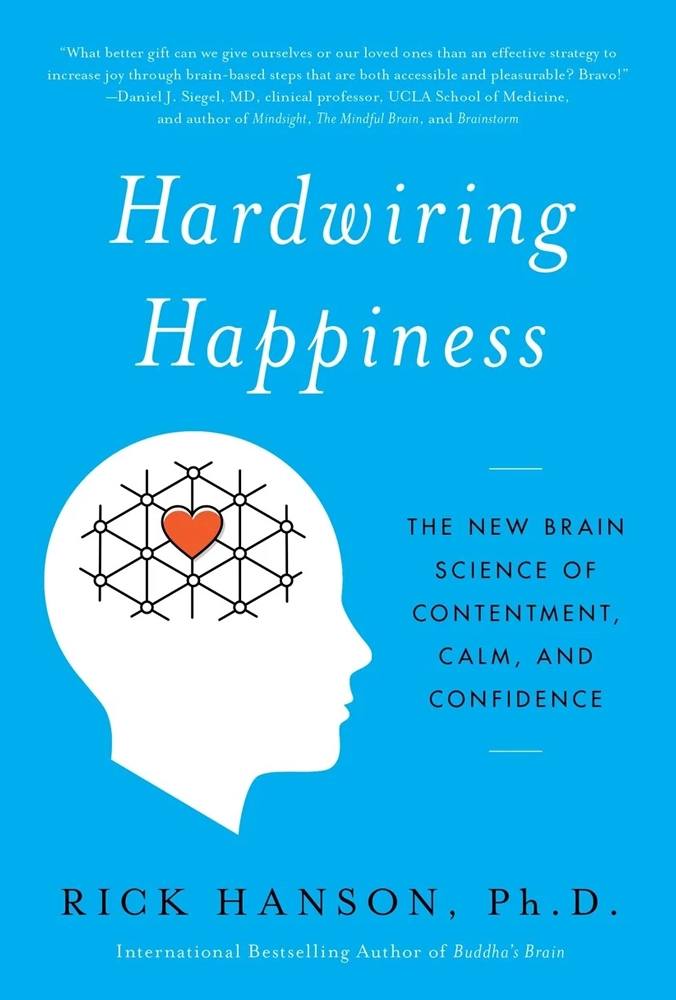
Hardwiring Happiness
Rick Hansen
With New York Times bestselling author, Dr. Hanson's four steps, you can counterbalance your brain's negativity bias and learn to hardwire happiness in only a few minutes each day.
Why is it easier to ruminate over hurt feelings than it is to bask in the warmth of being appreciated? Because your brain evolved to learn quickly from bad experiences and slowly from good ones, but you can change this.
Life isn’t easy, and having a brain wired to take in the bad and ignore the good makes us worried, irritated, and stressed, instead of confident, secure, and happy. But each day is filled with opportunities to build inner strengths and Dr. Rick Hanson, an acclaimed clinical psychologist, shows what you can do to override the brain’s default pessimism.
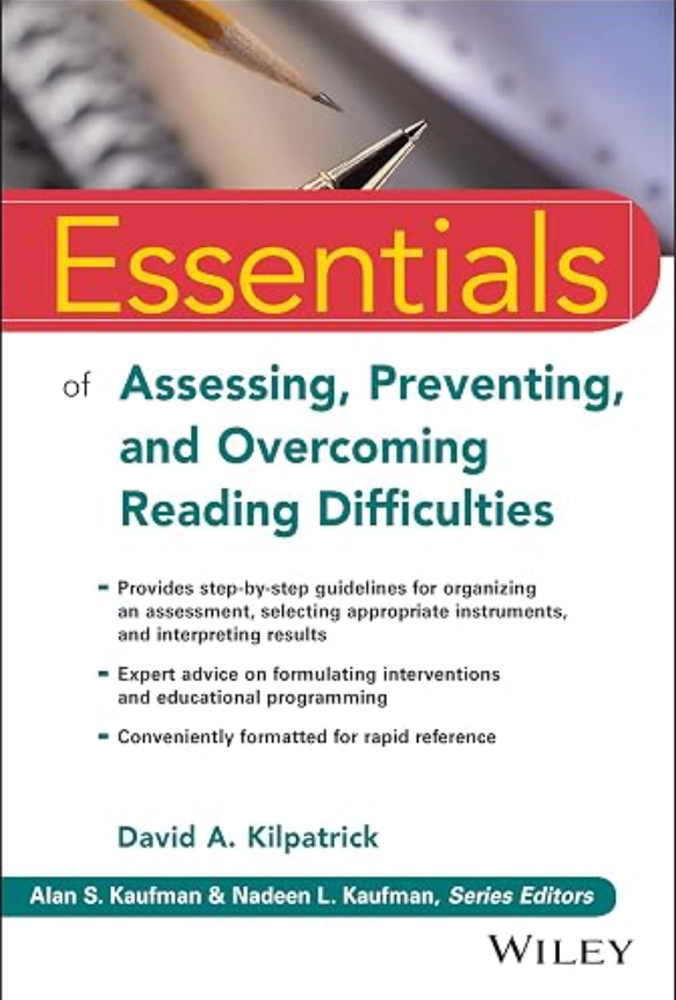
Essentials of Assessing, Preventing, and Overcoming Reading Difficulties
David A. Kilpatrick
Practical, effective, evidence-based reading interventions that change students' lives
Essentials of Understanding and Assessing Reading Difficulties is a practical, accessible, in-depth guide to reading assessment and intervention. It provides a detailed discussion of the nature and causes of reading difficulties, which will help develop the knowledge and confidence needed to accurately assess why a student is struggling. Readers will learn a framework for organizing testing results from current assessment batteries such as the WJ-IV, KTEA-3, and CTOPP-2. Case studies illustrate each of the concepts covered. A thorough discussion is provided on the assessment of phonics skills, phonological awareness, word recognition, reading fluency, and reading comprehension. Formatted for easy reading as well as quick reference, the text includes bullet points, icons, callout boxes, and other design elements to call attention to important information.
Although a substantial amount of research has shown that most reading difficulties can be prevented or corrected, standard reading remediation efforts have proven largely ineffective. School psychologists are routinely called upon to evaluate students with reading difficulties and to make recommendations to address such difficulties. This book provides an overview of the best assessment and intervention techniques, backed by the most current research findings.
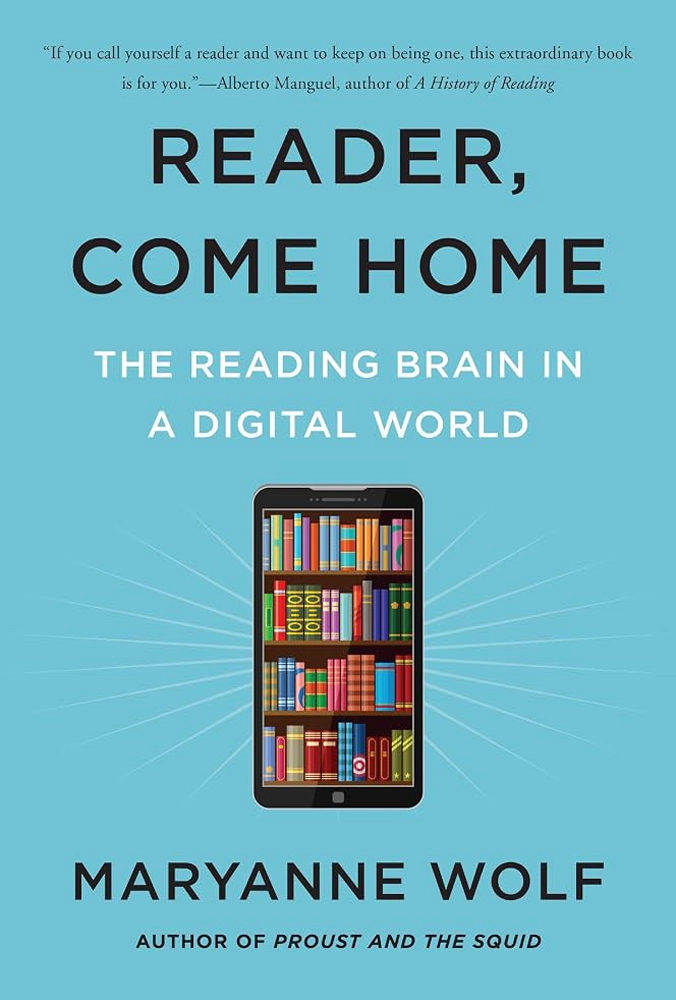
Reader, Come Home
Maryanne Wolf
The author of the acclaimed Proust and the Squid follows up with a lively, ambitious, and deeply informative book that considers the future of the reading brain and our capacity for critical thinking, empathy, and reflection as we become increasingly dependent on digital technologies.
A decade ago, Maryanne Wolf’s Proust and the Squid revealed what we know about how the brain learns to read and how reading changes the way we think and feel. Since then, the ways we process written language have changed dramatically with many concerned about both their own changes and that of children. New research on the reading brain chronicles these changes in the brains of children and adults as they learn to read while immersed in a digitally dominated medium.
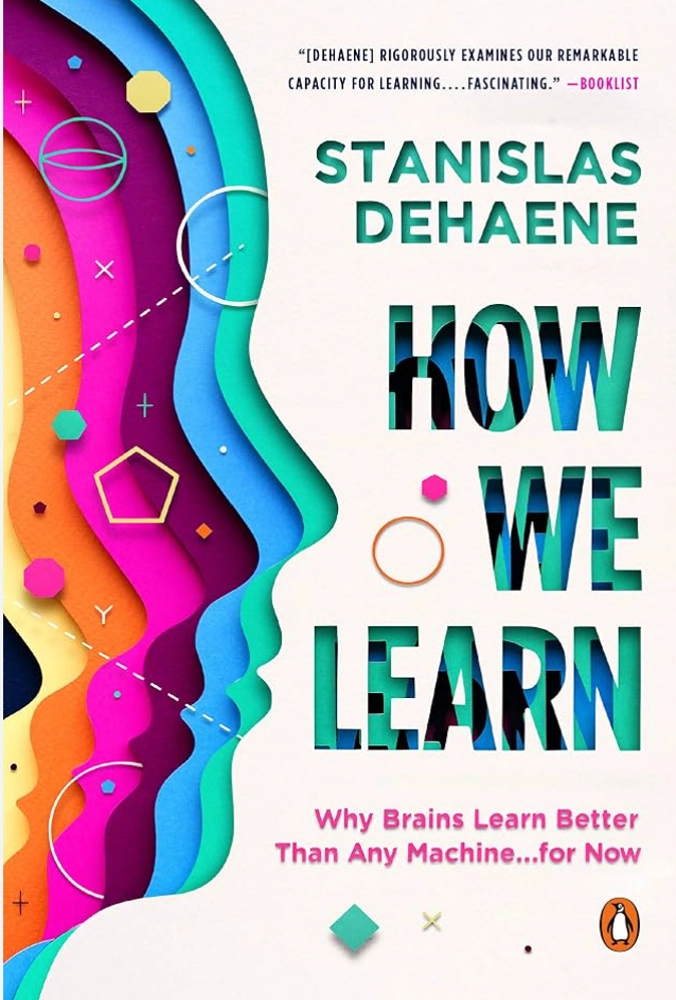
How We Learn
Stanislas Dehaene
An illuminating dive into the latest science on our brain's remarkable learning abilities and the potential of the machines we program to imitate them
The human brain is an extraordinary learning machine. Its ability to reprogram itself is unparalleled, and it remains the best source of inspiration for recent developments in artificial intelligence. But how do we learn? What innate biological foundations underlie our ability to acquire new information, and what principles modulate their efficiency?
In How We Learn, Stanislas Dehaene finds the boundary of computer science, neurobiology, and cognitive psychology to explain how learning really works and how to make the best use of the brain’s learning algorithms in our schools and universities, as well as in everyday life and at any age.
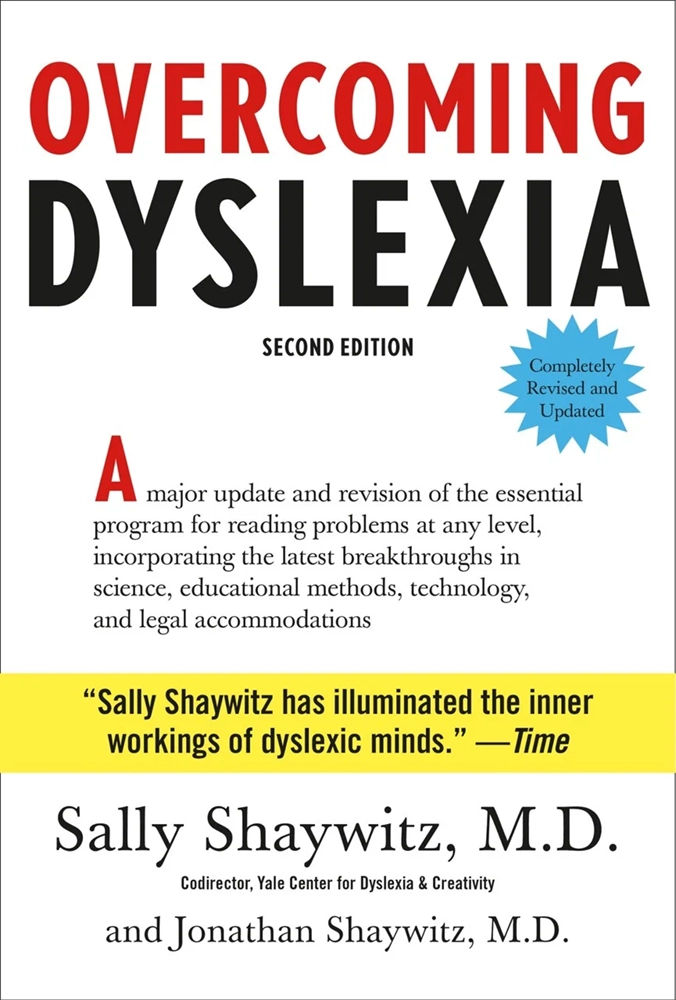
Overcoming Dyslexia
Sally Shaywitz, M.D. and Jonathan Shaywitz, M.D.
From one of the world's preeminent experts on reading and dyslexia, the most comprehensive, up-to-date, and practical book available on identifying, understanding, and overcoming reading problems--now revised to reflect the latest research and evidence-based approaches.
Dyslexia is the most common learning disorder on the planet, affecting about one in five individuals, regardless of age or gender. Now a world-renowned expert gives us a substantially updated and augmented edition of her classic work: drawing on an additional fifteen years of cutting-edge research, offering new information on all aspects of dyslexia and reading problems, and providing the tools that parents, teachers, and all dyslexic individuals need.